Welcome to the Synergy Properties Blog!

Whether you're a happy homeowner, looking to sell your current home, or searching for the home of your dreams, the Synergy Properties team has curated some helpful blog posts to help provide inspiration for your next DIY project, catch up on your real estate knowledge, or answer your hard-hitting questions about the home selling/buying process. Sift through our blog categories and feel free to let us know if you'd like us to cover something in particular. Happy reading!


Feb. 13, 2020

So You Want To Flip Houses?


Flipping and selling houses has become a very popular practice. If you know what you’re doing, there’s a lot of profit to be made! But if you’re new to it, there can be many confusing elements to grasp. To help you get started on the right foot, we’ve crafted a list of things to keep an eye out for when scouting properties. A home with enough of these features could be your ticket to a successful flip!

1. Bathrooms

Bathrooms can be a major selling features in properties. Most buyers will want at least 1.5 baths. When checking out potential flip properties, look to see how many bathrooms there are, and if only one, is there space to add at least another half bath? It’s also less costly to revamp an already existing bathroom, so if there are existing baths, don’t pay mind to any ugly fixtures. These are a quick fix.

2. Floors

Hardwood floors are another must have for a great deal of buyers! If you’re lucky, there may be gold under those carpets! And by that I mean old hardwood floors. It’s roughly only one third the cost to repair old wood floors compared to installing new ones! Be sure to take a peek if possible to get a better idea of how much flooring work lies ahead of you.

3. Dining Spaces

Does the property you’re eyeing have a formal dining space? This could be a big deal depending on your neighborhood and the average buyer in that area! Figure out whether casual, modern, or old fashioned formal setups sell best in your area. Keep that in mind for your flip!

4. Behind the Scenes

A MAJOR cost to home flipping can often come from the less glamorous aspects. We’re talking HVAC, plumbing, electrical, roofing, and so on. Don’t walk into a flip blindly. Check out the condition of all of these things before you commit to the flip. It could make or break your budget.

5. Bonus Spaces

Does the property have a finished basement or attic? What about unfinished but easy to renovate? These extra spaces can really add value to your flip! It’s worth checking out!

6. Kitchens

Here’s the big one. Kitchens more often than not sell the home. How’s the kitchen space looking on the property? Is it a mild fix, or are we looking at total renovation? Are renovations possible? Check for load bearing walls that could mean problems. This is a very important space on the property that could make all the difference in your flip, so treat the inspection of the space as such!

We hope you found these tips to be helpful! And if you ever need help selling your flipped property, give us a call!

Client Resources:


Posted in General Blog
Feb. 8, 2020

8 Tips To Make Your Listing Picture Perfect


When a home is properly staged, it should highlight the function and beauty of the property so that buyers can more easily imagine themselves living there. Staging is just as important for in-person home tours as it is for online property photos. More than 90% of home buyers search for homes online, and 85% of buyers say it’s the photos that are the most important factor in deciding which homes to view.

Prepping Your Home for the Photo Shoot:

1. Consider the Background

Appropriately displayed art on walls or above a fireplace can add color to the background and enhance the property’s online photos. Also, be sure to tidy up those bookshelves! Overstuffed shelves with various books and decor can create a visual nightmare. Organize them by coordinating the books or magazines by colored sleeve or by height. To add visual interest, group nicely tiered stacks and display them upright with a few decor items between or on one end. But always remember: Less is best! 

2. Clean the Light Fixtures

Clean lamps, chandeliers, and light fixtures throughout the home. Change out lampshades that may be yellowing on the inside, and be sure to replace any burnt-out light bulbs as well. Lamps are an important source of light that helps to show off all the features of a room.

3. Dust

Photographs can easily pick up tiny dust particles when light reflects from the camera flash. Make sure rooms are well-dusted and vacuumed after staging is completed and before photographing the property.

4. Careful with Props

While the perfect accessory can enhance the feel of a room, props that are clichés—like wine bottles and glasses or candles around a bathtub—often distract home buyers and portray a photo that is "too staged.” The setting should be clean and simple and not overdone. Pretty white orchids, simple greenery, or even a fur throw are easy and inexpensive props and add just enough accent without overdoing it. 

5. Avoid Common Photo Blunders

First impressions count the most when buyers are viewing hundreds of photos of homes online. Always make sure that the toilet seat lids are closed in your bathroom shots. Avoid taking photos with the TV running in the background, as it often distracts from real estate listing photographs overall. Move any vehicles in the front driveway out of the way prior to any photographs being taken. Carefully scrutinize each room to make sure it’s photo-ready.

6. Brighten Your Listing Photos

Watch the lighting in the room. When taking pictures, make sure the sun isn’t filtering in. It’s best to snap at dusk or on overcast days. This gives a living space more balanced light. Avoid the washed-out look that could come from too much sunlight or a camera flash. If rooms are dark and not well lit, then add a lamp or two. Use 60-watt "warm” or "bright white” light bulbs, which will brighten a room but still appear soft in photographs.

7. Use Wide Angles Fairly

Go easy on the wide-angle lens, especially when taking photos of smaller rooms. This will help avoid making a small room look like the size of a football field, causing distortion or unrealistic proportions. It could even possibly disappoint a buyer upon viewing the property in real life. 

8. Watch the Composition

The best height to take photographs is often up for debate. In general, photographers will say it’s best to take photos from a chest height level or at a height that best suits the contents within that room. Essentially, the goal is to fill the photograph with just enough balance of floor and ceiling as well as with the contents of the room and to not have any dead space.

Seller Resources:


Posted in Seller Blog
Feb. 7, 2020

5 Tips for Buying a Home


Looking to buy a home? Here are five essential tips for making the process as smooth as possible.

1. Get your finances in order.

Start by getting a full picture of your credit. Obtain copies of your credit report. Make sure the facts are correct, and fix any problems you find. Next, find a suitable lender and get pre-approved for a loan. This will put you in a better position to make a serious offer when you do find the right house.

2. Find a house you can afford.

As with engagement rings, there’s a general rule of thumb when it comes to buying a home: two-and-a-half times your annual salary. There are also a number of tools and calculators online that can help you understand how your income, debt, and expenses affect what you can afford. Don’t forget, too, that there are lots of considerations beyond the sticker price, including property taxes, energy costs, etc.

3. Hire a professional.

While the Internet gives buyers unprecedented access to home listings and resources, many aspects of the buying process require a level of expertise you can’t pick up from surfing the web. That’s why you’re better off using a professional agent than going it alone. If possible, recruit an exclusive buyer agent, who will have your interests at heart and can help you with strategies during the bidding process.

4. Do your homework.

Before making a bid, do some research to determine the state of the market at large. Is it more favorable for sellers or buyers? Next, look at sales trends of similar homes in the area or neighborhood. Look at prices for the last few months. Come up with an asking price that’s competitive, but also realistic. Otherwise, you may end up ticking off your seller.

5. Think long term.

Obviously, you shouldn’t buy unless you’re sure you’ll be staying put for at least a few years. Beyond that, you should buy in a neighborhood with good schools. Whether you have children or not, this will have an impact on your new home’s resale value down the line. When it comes to the house itself, you should hire your own home inspector, who can point out potential problems that could require costly repairs in the future.

Buyer Resources:


Posted in Buyer Blog
Feb. 4, 2020

Pros and Cons of an HOA


When searching for a new home, you are more than likely to come across homes that are in a community managed by a Homeowners Association, along with homes that are not. If you ask two different homeowners how they feel about HOA, you will get two completely different responses. We are going to point out a few pros and cons of HOA living for you to consider at the beginning of your home search.

PROS

  1. HOA ensure well maintained amenities, common lawn and play areas.
  2. The homeowners tend to have a strong sense of pride in the care for the exterior appearance of their homes and yards.
  3. There is often a great sense of community.
  4. Some communities have pools, club houses, and golf courses. These are used by fellow homeowners and diminishes the use of the amenities by people not living within the HOA community.
  5. Homeowners in a HOA have common interest in reporting and addressing problems from building code violations, landscaping negligence to parking issues.
  6. HOA regulations offer some protection for the value of the properties and help prevent a decline of the neighborhood.

CONS

  1. HOA’s can regulate individual property landscaping, exterior paint, fences, play equipment, home businesses and parking; just to name a few.
  2. Homeowners can be fined for not complying to regulations after warnings are ignored.
  3. HOA fees are not taxable.
  4. Being behind in HOA fees, or not paying penalties may result in the foreclosure of your home, even if you are not behind on your mortgage.
  5. There may be a considerable amount of rental limitations in place preventing your from using your property as a rental.
  6. Dues can be raised at anytime.

There are so many things to think about when house shopping. When you come across a home in a HOA community, consider these pros and cons when making your decision to determine what best suits your needs.

If you have any questions, are looking to buy or sell a home, please contact us and we are more than happy to help.

Client Resources:


Posted in General Blog
Feb. 1, 2020

February 2020 Newsletter

Posted in Synergy Newsletter
Jan. 30, 2020

Does the Listing Brokerage Matter?


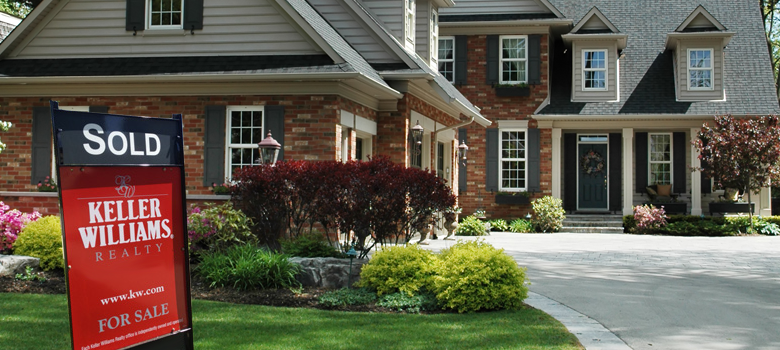
The other day while we were wrapping up a listing presentation, the seller told us they were considering switching to another brokerage whose signs they often saw around the neighborhood.

Because I understand the true value of a brokerage, this made me laugh. A brokerage is not consumer-facing value.

A brokerage’s value comes from having a place to hang your license and somewhere to receive training. Its value also comes from having people you can ask questions of.

However, I’ve never had a buyer come to me and say that they aren’t going to buy an otherwise perfect house simply because of the brokerage it’s listed with.

When listing and selling your home, individual agents and teams are what will truly matter. The right agent or team will know that listing your home all starts with price. Pricing is an analytical decision which is determined by market statistics.

Here at Synergy Properties, we know how to help you make these decisions with no emotional attachment. Once pricing is sorted out, the next matter is putting the right buyers in front of the home. It is a priority to us that your listing is being put forward to the right people.

The last steps in effectively getting a home sold are negotiation and processing. The right agent will be able to guide you through maximizing an offer’s potential to get you top dollar. Additionally, they should assist you in closing out the deal as efficiently as possible.

Ultimately, finding the right agent has much more of an impact on selling a home than a brokerage. Be sure to interview several people before you make your final decision.

If you have any other questions or would like more information, feel free to give me a call or send me an email. I look forward to hearing from you soon.

Seller Resources:


Posted in Seller Blog
Jan. 29, 2020

What You Need to Know About Buying an Older Home


For a lot of homebuyers, buying their dream home means choosing an older structure that has passed the test of time. These grand places have an undeniable charm about them, with classic styling that can be adapted to nearly any taste. Older homes can be incredible places to live and love, but no home is perfect. The history of your older home may include skeletons in the upstairs bedroom closet.

Five Amazing Reasons to Choose an Older Home

Buyers who are into the details are going to love owning an older home. Not only do you get all those little bits of period hardware, real wood floors and intricate trim work, your home has a real history that you can trace should you be so interested. Older homes can become a real love story really fast.

There are a lot of reasons to choose an older home, here are five to get you started:

1. The Neighborhood is Established

You may not be giving any thought to this particular item right now, but when you’re living with the sound of bulldozers, skid loaders and other heavy equipment nearby as they add even more streets to a newer neighborhood, you might wish you had gone another way. Established neighborhoods don’t give you a lot of room to move, but you also know exactly what to expect day to day.

2. Mature Landscaping

Even if you’re not a gardener, you can appreciate that 50 or 80 year old shade tree that protects your house like a giant leafy umbrella. If past owners put in plants, you may also have bought into a hedge or foundation plantings that will give you lots of green without lots of effort.

3. High Ceilings

Although the types of ceiling treatments that are in modern homes rarely pop up in older homes, you may find high ceilings in older homes (this will depend on how old of a house you’re looking for). Before air conditioning, those high ceilings helped keep occupants cooler in the summer. Today they give you a more spacious atmosphere and more room for vertical storage.

4. Lots of Natural Light

One of the best features of many older homes is the sheer number of windows that have been installed. So many windows means so much more light inside your home. When you’re buying a glass house, though, make sure that those windows have been replaced or brace for high winter energy bills.

5. You Become Part of the Story

Older homes tell the story of the lives of past owners, in small and large ways. Every owner left a mark somewhere in that place, just like you will. For example, you may decide you’re not so fond of the carpets, instead choosing to recover the wood floor underneath. Your fingerprint was just added to the collection.

Owning an older home can be a home ownership dream come true. But don’t fall headfirst yet. Read on so you know when to walk away.

Five Reasons to Reconsider That Older Home

Although older homes can be charming and even decadent with the details, there’s a lot more to them than history and natural light. Every house is the result of its cumulative care over its lifetime. The longer the house has been around, the more care (or neglect) it receives. Even so, there are many reasons to be wary when it comes to buying an older home.

1. Vital Systems may not be to Code

When that house was built in 1940, there weren’t really building codes to adhere to. In fact, that house might have come from a catalog and was shipped in pieces for a homeowner to build like a giant Lego set. The fact that it’s still standing is probably a good sign, but you’ll want to have a very thorough home inspection before you get your hopes up too high.

2. Owners Adding Defects when Trying to Repair things

Homeowners regularly make repairs without the proper permits or inspections, leaving you to wonder how good the work really went. Whether the repair was made in the 60s or last week, discovering that a closet light was wired using lamp wire is a terrifying discovery that should leave you wondering what other “repairs” are hiding behind the wall, in the attic and under the floor.

3. Lots of Windows means Thermal Leakage

All that natural light is awesome, until it gets cold or hot — then you’ve suddenly got a major issue with thermal leakage. Even the best weather seal isn’t much on a single pane window when compared to modern engineered double and triple paned windows with Low-E coatings. If you like a drafty house, by all means go for it. If not, at least look for a place with upgraded windows.

4. Add-ons Should get the Side Eye

Above we discussed how each owner touches a house in a unique way. One of those ways is to add more square footage. There are good add-ons that flow seamlessly from the original structure to the new part without it being obvious. Then there are the others. Does this place have something that’s akin to a shanty attached to the back side and called a bedroom? Run away.

5. Infestations

Another gift former owners may leave you is pest infestations. From bats to cockroaches and mice, older homes are accidental havens for all sorts of creatures. Along with a termite inspection, you definitely want to have a pest control expert out to look for signs of other things that you’d probably rather not be sharing your home with.

Living in a remodeling zone is not a party. Some people gravitate toward older homes because they believe this will save them a lot of money. There’s certainly a chance of that, but market forces are finicky, so you definitely want to talk to some pros before putting the numbers together. Even if you do find that you’re sitting on a gold mine, consider what this is going to do to your life and family. Living in a construction zone means that you never get away from the destruction and that you’re potentially dumping a lot of money into upgrades and fixing old “repairs.”

Is an Older Home Right for You and Your Budget?

It’s one thing to dream a little dream and yet another to turn that dream into a reality that may have unforeseen results. This is why it’s really important to talk to your Realtor and other home pros before making an offer on an older home.

Not sure where to find the pros you need to take a look at your potential future home? Visit your HomeKeepr community!

Your Realtor is already there and they’ve recommended the best home inspectors, pest inspectors and other home pros that they know. With just a few clicks you can surround yourself with experts to help you decide if it’s worth the effort and money involved to live your old house dream.

Buyer Resources:


Posted in Buyer Blog
Jan. 27, 2020

5 Things to Consider Before Renting Your Home Short-Term


As the march out of winter gets underway, a lot of people are already starting to plan their spring and summer vacations. Oh, they’ll go somewhere sunny, or to a fantastic resort or maybe, if you’re lucky, your house.

They might as well, you’re going to be going on that fantastic cruise after all. Besides, you’ve heard such good things about being an AirBnB host. Your guests will end up paying for most of your trip, it’s totally win-win.

Isn’t it?

Short Term Rentals and You: The Tip of the Iceberg

Using your personal home, in whole or in part, as a short-term rental can certainly help pay the bills, but the truth is that short-term rentals also have huge issues you have to consider. It’s not as easy as listing on AirBnB and hoping for the best. You’ll need to do considerable legwork before getting started, otherwise you may find yourself in a lot of trouble and with expensive problems that eat all your profit.

Still, it can be a solution for some homeowners. Before you list, make sure you’ve considered these five things that might complicate your situation:

Does your mortgage allow you to rent the property without penalty?

Many loan programs that help people buy with a low downpayments have restrictions on renting the building. If the short-term rental you’re offering was purchased with you as an owner-occupant, there is likely language in your agreement that spells out what constitutes a breach by turning your house into an “investment property.” Generally, if you rent your property for more than 14 days in a year, you risk having to face the music.

Despite what many websites may say about a lack of punishment for using your home as a rental when it goes against your mortgage agreement, breaching this agreement is serious business. Your mortgage likely has an acceleration clause that explains under what conditions your loan will essentially be revoked, with the entire balance due immediately. If you can’t cough up those hundreds of thousands of dollars, your bank will foreclose.

Find this paperwork, then scour it (and have a friend or three take a look, too) before you move any further. You should have gotten a copy at closing, check the packet the closing company sent you home with.

Do you have the right Insurance coverage?

Even if your mortgage lender is ok with your using your place as a vacation rental, you’re still going to need the blessing of your insurance company. Although places like AirBnB claim to offer insurance, the word on the street is that it’s very hard to convince to pay out on claims.

Don’t risk it, talk to your agent about the best way to cover your home and property. You may want to add a comprehensive insurance policy that will cover pretty much anything, including slips and falls, or your agent may advise you simply increase your current coverage.

What do your neighbors think?

The number of articles that have been written about neighbors pushed beyond the brink by AirBnB and other short-term rental guests is staggering. Even if your homeowners association and zoning allows for short-term rentals (check with your HOA and planning and zoning), if your neighbors are becoming perturbed because your guests are real jerks, you may have bigger problems on your hands.

Check your zoning, then talk to your neighbors about your goals with the short-term rental, including the timeframe in which you intend to have guests and for how long they’re likely to stay. Starting a conversation with your neighbors about your vacation rental plans before things turn into a dumpster fire can make having an AirBnB-listed property less of a dramatic situation.

It’s also important to check with your municipality about how long a guest can stay before they become a bonafide renter. In many areas, a “guest” automatically turns into a renter if they occupy the property for 30 consecutive days. You’re then assumed to have a month-to-month rental agreement, which means that you will have to actually evict them if they refuse to go quietly.

Can you refinance your property?

This is a tricky question, especially with rates on the rise. Still, you may need to refinance at some point, even if it’s not today. The bad news is that many lenders won’t count the AirBnB income you’ve generated when calculating your debt to income ratios.

Luckily, there are a few banks that are capable of dealing with AirBnB income properties. Even if your lender is open to a refinance, you may be forced into a commercial loan because you rent your property out too often, effectively making it an investment property in the eyes of the bank. If you purchased using a loan eligible for a streamline refinance, you may not have to explain the AirBnB stuff at all.

Do you really want a rental?

There are so many people out there that believe owning investment property is key to a better retirement, increased wealth and easy peasy income.

Owning rentals, especially short-term rentals, is a lot of hard work. From stocking consumables like soap and toilet paper to keeping things in good repair, doing background checks on applicants and keeping your taxes straight, it’s not a low-stress investment. This is why so many property owners rely on property managers to handle the day-to-day stuff.

At the end of the day, even if your PM is doing everything right, you’ll have a decent work load of your own. If you’re not all in on owning a rental, don’t do it.

AirBnB Team, Assemble!

Getting all your AirBnB ducks in a row should also include finding home pros to help in case there’s an emergency. Don’t stress, you can assemble your whole team, from a commercial insurance agent to plumbers and property management, in just a few clicks. Log into your HomeKeepr community to find the very best, most recommended experts in your area. They’ll help you ensure that your short-term vacation rental experience goes smoothly.

Client Resources:


Posted in General Blog
Jan. 19, 2020

4 Tips that can Make or Break Your Listing


Recently we got a call from a client whose listing failed to move off the market. They asked us, “Why do some homes sell, while others don’t?”

Failed listings happen, but preventing them is as simple as keeping a few key things in mind. If you’re thinking of selling, consider these four things.

1. Is the Price Right?

If you don’t price a home right, it will sit longer than it needs to and net you less profit. Pricing correctly from the start is key. Many people falsely assume that because we’re in such a fierce seller’s market they can list their home at whatever price they want. This simply isn’t the case. Pricing is always important.

2. Who Took Those Pictures?

Many of the expired listings we see on the market have online photos that appear to have been taken from an agent’s cell phone. Poor quality pictures spell disaster for any listing. If your home looks unappealing online, it is less likely to receive a high level of interest from buyers.

3. Do You have a Marketing Budget?

This really comes down to how money is allocated in your listing. Your agent should market your listing in a way that positions it in front of as many potential buyers as possible. Show me an agent with a 1% commission and I will show you an expired listing.

4. Follow up with Buyer Agents

Many agents don't have the resources to do this, but it is always helpful to have an agent who will follow up with the agents that came to your property with their buyers. Appealing to buyers’ agents will make a big difference in your listing.

Selling your house shouldn’t take more than 30 days if you follow these steps. With that being the case, don’t lock yourself into any long-term commitments. If your agent is doing their job, you simply won’t need to.

Hire the right agent by researching their track record. Whether this is your first time listing or you’re putting your home back on the market, this advice works the same.

Selling a home that didn’t sell the first time does take a slightly different approach, but a quality agent will have no trouble guiding you through that process. Also, remember not to relist with the same agent if your home expires or fails to sell.

If you have any other questions or would like more information, feel free to give us a call or send us an email. We look forward to hearing from you soon.

Seller Resources:


Posted in Seller Blog
Jan. 18, 2020

Garage Organization Under $50


If clutter trumps cars in your garage, get organized (and make room for your vehicles) with these smart garage storage solutions, each costing less than $50.

Wheels

  1. Hoist bicycles to the rafters with a rope-and-pulley system ($22) that makes it easy to raise the bike and lock safely in place. When you’re ready to ride, release the lock and lower your bike to the garage floor. You’ll need an hour or two and basic tools to secure the pair of pulleys to ceiling joists and thread the ropes. (Similar hoists are available for kayaks or small boats; $25.)
  2. Avoid unintentional skateboard “tricks” with a specially designed wall rack that makes it easy for kids to hang up helmets and skateboards together; about $40. Secure this one to wall joists in less than an hour.
  3. Keep scooters and bikes out of the way with tool hooks installed on a length of 1-by-6-inch lumber. You’ll pay $3 for each pair of vinyl-coated screw-in tool hooks and $1 per foot for lumber. You’ll need only an hour or two to secure the lumber to wall joists and screw the hooks into place along the board.

Sporting Goods

Active pursuits require a lot of gear that ends up in the garage. These organizers help tidy up all those sports balls, rackets, bats, gloves, clubs, fishing rods, and other outdoor fun-related goodies.

  1. Bring together balls and bats on a convenient wire rack equipped with hangers that hold gloves too; $40. Or, mount one or more ball claws on the wall to securely grip sports balls of all kinds; $12.
  2. To keep your garage organization from going downhill, stash two pairs of snow skis, poles, and boots in one handy steel ski rack; $45. Securing this rack to wall studs helps it hold the weight of the equipment. If you can’t position it on studs, use wall anchors for a secure installation. You can do the task with or without anchors in an hour or two.
  3. Make a port for your fishing rods by suspending two wire shelves from your garage ceiling about 5 feet apart, then threading the rods through the openings. Use shelves left over from a project or purchase a 4-foot-by-16-inch vinyl-coated wire shelf for less than $9, and saw it in half crosswise (or clip with bolt cutters) to make two 2-foot shelves. Snip additional wires where you need wider slots to accept pole handles or reels.

Tools

With a little imagination, you won’t need specially designed storage to organize your tools.

  1. Conveniently hang wrenches and bungee cords using an ordinary vinyl-coated wire tie-and-belt rack, available at big box stores; $8.
  2. Metal tools cling to a magnetized rail, keeping items in view and easy to retrieve; $24. Simply screw the rail to wall studs to safely hold the weight of the tools (it’s an idea you may be drawn to.)
  3. Cushion and protect tools by padding your toolbox drawers with a soft, non-slip liner. The open-weave design keeps moisture away and prevents tools from rolling around. Enough material to line eight average-size drawers is $15. Just cut the liner to length to fit and slip it into the drawer.
  4. Organize small items — such as pencils, box cutters, and tape measures — by stashing them in electrical junction boxes; 50 cents to $2 each (free if you have spares). Purchase a variety of sizes and shapes and secure them to studs or pegboard.

Yard and Garden Gear

Rakes, ladders, clippers, shovels, and sprays — a host of supplies keep your yard and garden looking lush and well-cared-for, but your garage? Not so much. Keep your garden and landscaping tools organized with these novel storage solutions.

  1. Transform an old cabinet into a nifty garage storage unit on wheels. Hunt down an old four-drawer filing cabinet for a few dollars at a garage sale. Remove the drawers, turn it on its backside, and use a couple afternoons to apply paint and pegboard sides. Less than $25.
  2. Hold heavy tools, long-handled implements, ladders, and more. Long steel rails with extruded holes mount high on the garage wall and secure to studs. Arrange a series of hooks and pegs on the rail to hang big tools. Two 48-inch rails sell for $22.
  3. Secure a wooden pallet to wall studs to create a pocket for holding long-handled garden tools. To find free wooden pallets, check with local businesses as well as online classifieds, such as Craigslist. Cost: Free.
  4. Keep bottles of fertilizers, repellants, and lubricants upright and easy to retrieve. A can rack ($15) prevents cans and bottles from tumbling off shelves.

Client Resources:


Posted in General Blog