- Freestanding heaters are a good option if you want portability. Keep in mind to allow about 12 inches of space between the ceiling and your heater.
- Overhead heaters come in wall, ceiling, and umbrella-mounted options, which are great if you are space-conscious or concerned about burn injury.
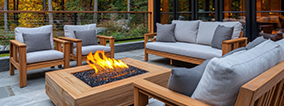
- Firepit heaters look like a fire, minus the hassle, and some double as a coffee table.
Outdoor heaters are fueled three different ways:
- Electric - Easiest to install if you have an outdoor power outlet but doesn’t create as much heat as its counterparts.
- Propane - Be aware you need to refill the tank when empty.
- Natural gas - Requires a dedicated gas line, which can be expensive.
Note the latter two options cannot be used in enclosed patios because of the risk of carbon monoxide poisoning.
Side notes:
- Ensure the heater covers the square footage of the area you want to heat.
- Check for recognizable safety certification.
- Good safety features to look out for include a safety tilt switch for freestanding heaters (powers off if it tilts too much), automatic turn-off if it gets too hot, or cool touch glass to prevent burn injury.
- If you live in a condo, check if there are rules about using outdoor heaters.
|


.png)
.png)


